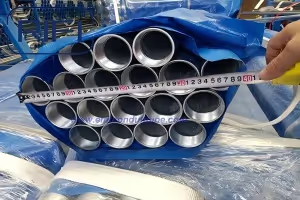
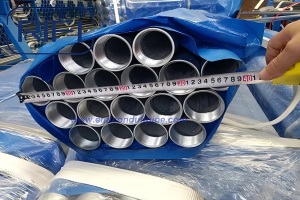
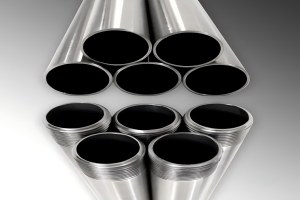
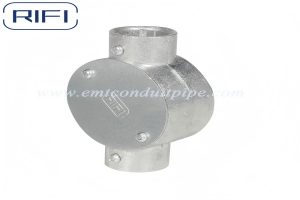
Malleable Iron is a type of cast iron that has been treated through a special heat process (annealing) to improve its ductility, toughness, and strength. This makes it different from other forms of cast iron, like gray iron or white iron, which are more brittle. Malleable iron is widely used in applications requiring a combination of durability, machinability, and resistance to wear and impact.
Key Properties
- High Strength
- Malleable iron has better tensile strength than gray iron, making it suitable for load-bearing applications.
- Good Ductility
- The annealing process reduces brittleness, allowing the material to deform without cracking under stress.
- Impact Resistance
- Its toughness makes it resistant to shock loads, which is ideal for dynamic applications.
- Corrosion Resistance
- Malleable iron can withstand moderately corrosive environments, especially with coatings like galvanization.
- Machinability
- It is easier to machine and work with compared to other types of cast iron, allowing for detailed manufacturing of components.
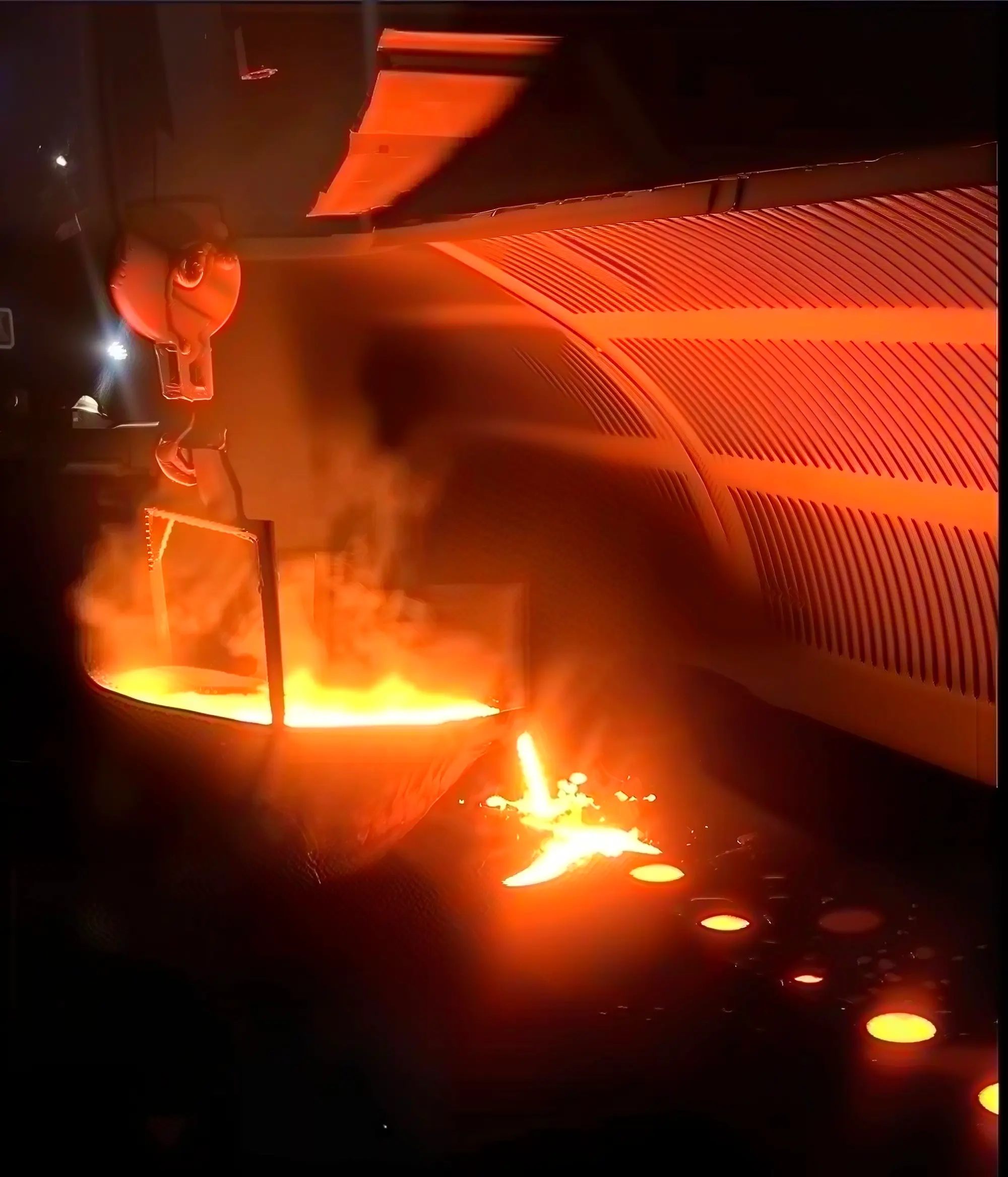
Production Process
- Casting
- It starts as white iron, which is cast into the desired shape.
- Annealing Process
- The cast white iron is heated to a high temperature (around 900–950°C) in a controlled environment and then slowly cooled. This process transforms the brittle cementite (iron carbide) into graphite in the form of small nodules or flakes, improving ductility and toughness.