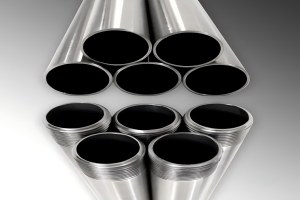
The Copper Sulfate Test is a method used to assess the integrity and presence of zinc coatings on steel surfaces, commonly for hot-dip galvanized or electroplated (cold galvanized) steel. By applying a solution of copper sulfate to the surface, the test quickly reveals whether the zinc coating is intact, incomplete, or absent. It is widely used for quality control in manufacturing and corrosion resistance verification.
Principle of the Test
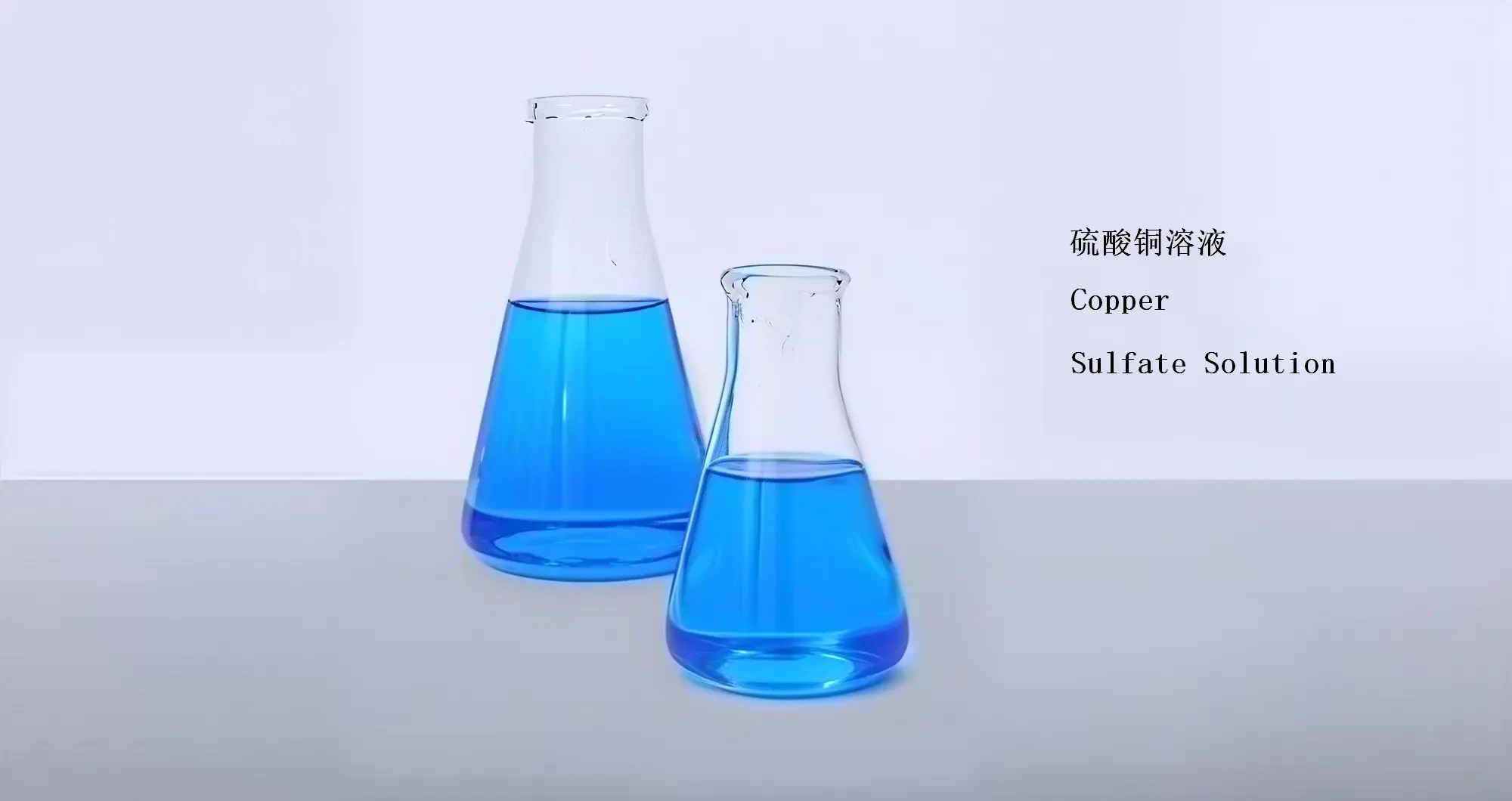
The test relies on the chemical reaction between copper sulfate (CuSO₄) and the underlying steel:
- If the zinc coating is intact, the copper sulfate does not react significantly with the surface, and no color change or copper deposition occurs.
- If the zinc coating is missing or damaged, the solution reacts with the steel substrate, depositing a reddish layer of metallic copper.
Test Procedure
- Prepare the Copper Sulfate Solution
- Mix 4–10% copper sulfate crystals (by weight) with distilled or deionized water.
- Ensure the solution is fresh and fully dissolved.
- Clean the Sample Surface
- Remove oil, grease, dust, or oxidation from the metal surface using a solvent or acid-cleaning method.
- Apply the Solution
- Use a brush, dropper, or by dipping, apply the copper sulfate solution to the area to be tested.
- Observe the Reaction
- No red copper deposit: Indicates the zinc coating is present and intact.
- Red copper deposit: Indicates exposed steel due to insufficient or damaged zinc coating.
- Repeat for Verification
- Apply the solution multiple times on the same spot to confirm the results.
Applications
- Quality Control for Zinc Coatings
- Check the uniformity and completeness of hot-dip or electroplated zinc layers.
- Inspection of Critical Areas
- Evaluate areas like welds, cuts, or edges that may lack proper coating.
- Corrosion Protection Assessment
- Ensure the zinc layer provides effective corrosion resistance.
- Industrial Standards Compliance
- Commonly used in industries like construction, automotive, and utilities to ensure products meet required specifications.
Advantages
- Quick and Simple: Easy to perform with minimal equipment.
- Cost-Effective: Requires inexpensive materials.
- Visual Results: Provides immediate and clear feedback on coating integrity.
Limitations
- Qualitative, Not Quantitative: Cannot measure the thickness of the zinc layer; only detects its presence or absence.
- Localized Testing: Evaluates only the tested area, not the entire surface.
- Destructive Nature: The test can cause localized corrosion or damage to the coating, requiring cleaning and protection afterward.
Precautions
- Safety First
- Wear gloves and goggles, as the solution is corrosive and may irritate skin or eyes.
- Post-Test Cleaning
- Thoroughly clean and neutralize the tested area to prevent ongoing corrosion.
- Metal Compatibility
- This test is specific to zinc-coated carbon steel and should not be used on non-galvanized metals like stainless steel or aluminum.
The Copper Sulfate Test is a practical and widely used method in industrial settings for evaluating zinc coatings and ensuring the durability of corrosion-resistant products.